


Most cultural shifts do not start with protests, podcasts, or public figures.
They start in silence.
They start when someone notices that what they are being told no longer matches what they are seeing, and they realize that saying it out loud might cost them friends, work, or social belonging.
That is why Emily Saves America resonates far beyond politics.
Her story is not just about becoming conservative.
It is about what happens when a socially rewarded identity collapses, and someone decides not to pretend anymore.
This article is not about persuading you to agree with Emily.
It is about understanding why so many people are quietly going through the same internal shift, and why only a few are willing to risk saying it publicly.
The Identity No One Questions Until It Breaks

Before politics entered her life, Emily’s identity was socially safe.
LA modeling culture.
Progressive norms.
A worldview where the “right opinions” were assumed, not examined.
Politics was not debated.
It was absorbed.
That distinction matters.
When beliefs come from environment rather than inquiry, they feel like part of who you are, not something you chose.
Which is why questioning them later feels dangerous.
You are not just challenging ideas.
You are challenging your place in the group.
The Pandemic Did Not Change Minds. It Removed Distractions.
A lot of people ask, “Why did the pandemic change so many people politically?”
The better question is, why did it make people pay attention?
Emily lost her real estate job.
The noise slowed down.
The social scripts stopped working.
When life strips away routine, distraction, and constant validation, you are left alone with pattern recognition.
That is when contradictions become obvious.
Not because someone tells you what to think, but because reality stops lining up with the story you have been repeating.
For Emily, the shift was not ideological.
It was perceptual.
Social Punishment Is the Real Gatekeeper
One of the most important parts of Emily’s story is not what she believes now.
It is what happened when she said it publicly.
Followers left.
Friendships cooled.
Social permission was revoked.
That is why so many people stay quiet.
Most adults do not lack opinions.
They lack social safety.
Emily did not gain influence because she had new ideas.
She gained influence because she accepted the cost of honesty, and most people will not.
Why the MAGA Hat Story Is Not About Politics
The dating story with the MAGA hat is not really about Trump.
It is about emotional regulation.
Some people are conditioned to treat symbols as moral threats.
Others can stay grounded long enough to ask questions.
Emily did not melt down.
She did not perform outrage.
She stayed present.
That moment exposes a deeper divide in modern culture.
Not left versus right.
Not conservative versus liberal.
But fragility versus resilience.
The ability to remain calm in disagreement is now rare, and increasingly valuable.
What Makes Emily Different From a Typical Political Influencer
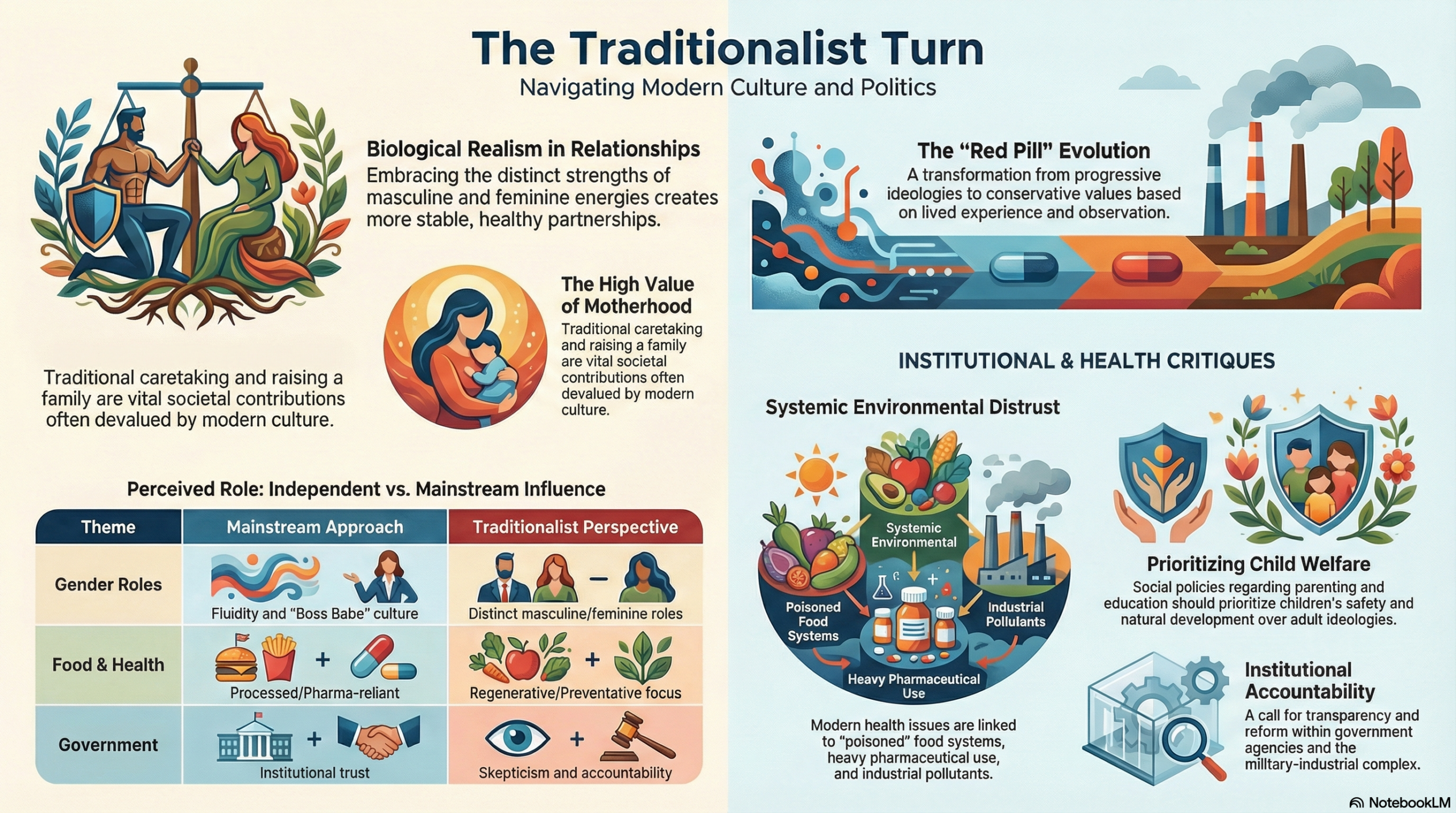
Emily does not speak like a strategist.
She speaks like someone who lived the lifestyle she critiques.
She talks about the emotional cost of sexual commodification.
Why motherhood and family lost cultural value.
The difference between equality in theory and dysfunction in practice.
Why men and women being different is not an insult, but a design feature.
Her authority does not come from ideology.
It comes from contrast.
She knows the world she left because she once benefited from it.
Why People Accuse Her of Switching Teams
When someone leaves a narrative, observers often assume they just joined the opposite one.
That assumption keeps the world simple.
But Emily did not replace one authority with another.
She replaced permission seeking with independent judgment.
That is what unsettles people.
Because if one person can walk away from the script, others might realize they could too.
The RNC Moment Was About Belonging, Not Policy
When Emily describes seeing Trump at the RNC after the assassination attempt, her emphasis is not political.
It is emotional.
She describes a room full of people who felt seen.
People who traveled, spent money, and showed up because they felt represented.
Whether you like Trump or not, this is the part many analysts miss.
People do not rally around figures because of spreadsheets.
They rally because of identity, dignity, and recognition.
Ignore that, and polarization only deepens.
Why More People Are Quiet Than Loud Right Now

Emily is visible because she spoke.
But for every person like her, there are thousands who did not.
They noticed contradictions.
They asked questions privately.
They adjusted internally.
And then they stayed quiet.
Because the cost of speaking did not feel worth it.
Yet.
Cultural shifts do not start when everyone agrees.
They start when enough people stop pretending.
A Different Question to Ask Yourself
Instead of asking:
“Do I agree with her politics?”
Try asking:
Where am I performing instead of thinking?
Which opinions do I hold mainly because they protect my social standing?
What questions do I avoid because of the consequences?
Where have I felt the quiet pressure to stay silent?
Those answers matter more than labels.
Final Thought: Why Emily’s Story Is a Signal
Emily Saves America is not just a brand.
It is a signal.
A signal that trust in institutions is fractured.
That identity is being renegotiated.
That more people are choosing internal honesty over external approval.
You do not have to follow her.
You do not have to agree with her.
But if her story makes you uncomfortable, curious, or quietly reflective, that is the point.
Final Call to Action
If this article made you pause, do not rush past that feeling.
Watch the full Emily Saves America interview to hear the story in her own words, not filtered, not clipped, not flattened into headlines.
Then ask yourself one honest question:
Where am I thinking for myself, and where am I still performing?
Watch the full video.
Share this article with someone who has been quietly questioning things.
Subscribe for more grounded conversations that challenge narratives without losing your humanity.